


Key Takeaways
- Missing one repayment isn’t the end—acting early gives you more options.
- Contact your licensed money lender immediately if you expect repayment difficulties.
- Late payment charges are regulated under Singapore’s moneylending laws.
- Licensed money lenders and any debt collection agencies acting on their behalf cannot harass borrowers or use illegal debt collection methods.
- A debt consolidation loan can help if you’re struggling with multiple loan payments.
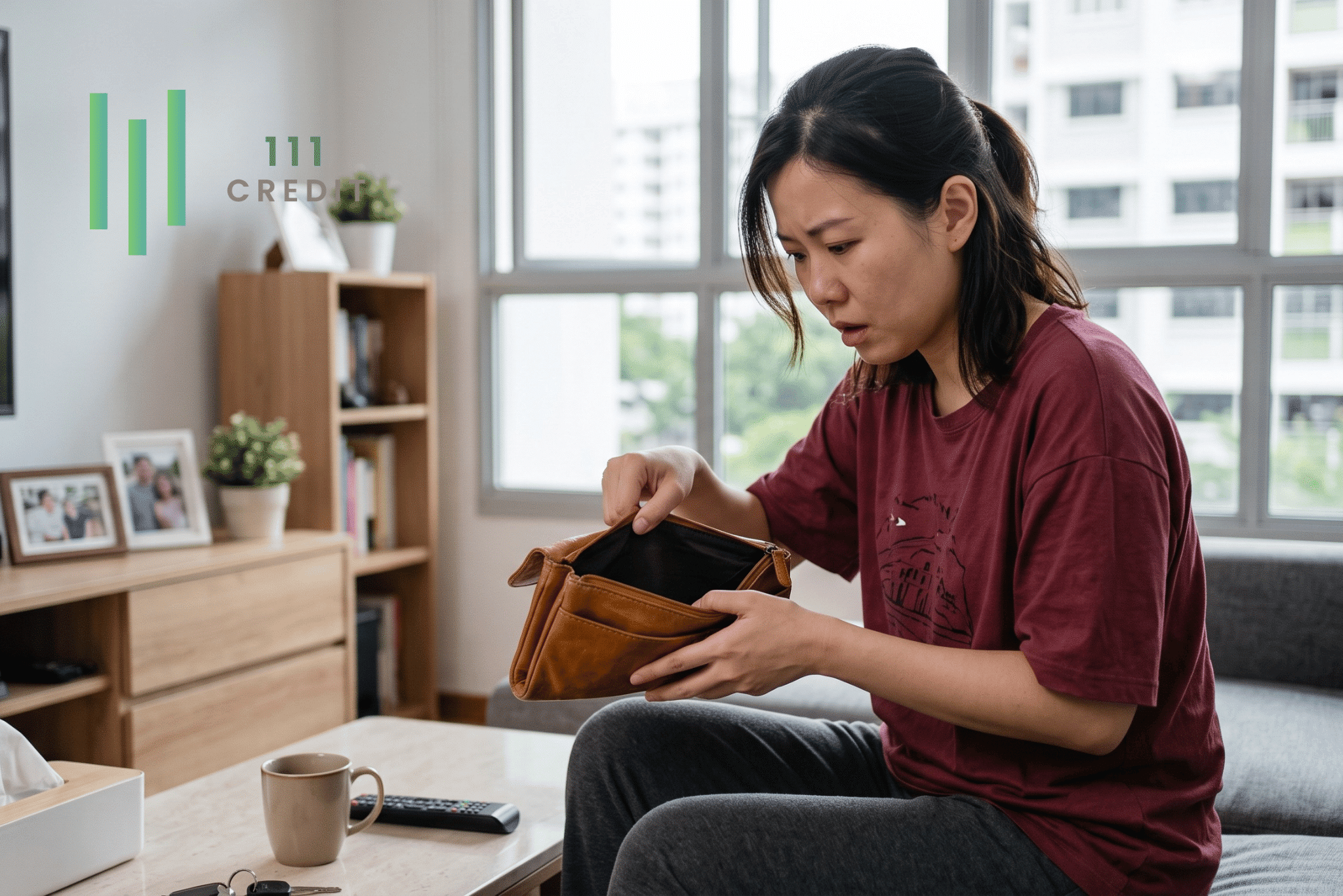
Falling behind on a loan repayment can be worrying, especially if you’re unsure what happens next. Will you be charged hefty penalties? Can your money lender file a case in court? Or is there a way to get your repayments back on track?
The good news is that if you’re unable to pay a money lender in Singapore, missing one payment does not automatically lead to the worst-case scenario.
The key is to act early rather than avoid the issue. Keep reading to find out what happens when you miss a repayment to a legal money lender in Singapore, your rights as a borrower, and the practical steps you can take to regain control of your finances.
What Happens if You Are Unable to Pay a Money Lender?
If you’re unable to pay a money lender in Singapore, don’t panic. While your repayment is overdue, licensed lenders generally do not jump straight to legal action.
Instead, they will usually contact you first to remind you about the missed payment and discuss how the outstanding amount can be settled. Responding to these reminders promptly can often prevent the situation from becoming more complicated.
Late Interest and Fees Are Regulated
When it comes to a licensed money lender late payment, Singapore’s regulations impose strict limits on the interest and fees that can be charged:
- Late interest: Up to 4% per month on the overdue amount only.
- Late fee: Up to S$60 for every month of late repayment.
- Total borrowing cost: The combined interest, late interest, administrative fees, and late fees cannot exceed 100% of the original loan principal.
These regulations help protect borrowers from excessive charges. However, delaying repayment for an extended period can still result in the accumulation of late interest and fees, making the debt more difficult to clear.
The earlier you address the issue, the more options you are likely to have.
What You Should Do First if You’re Unable to Pay a Money Lender
#1 Contact Your Money Lender Immediately
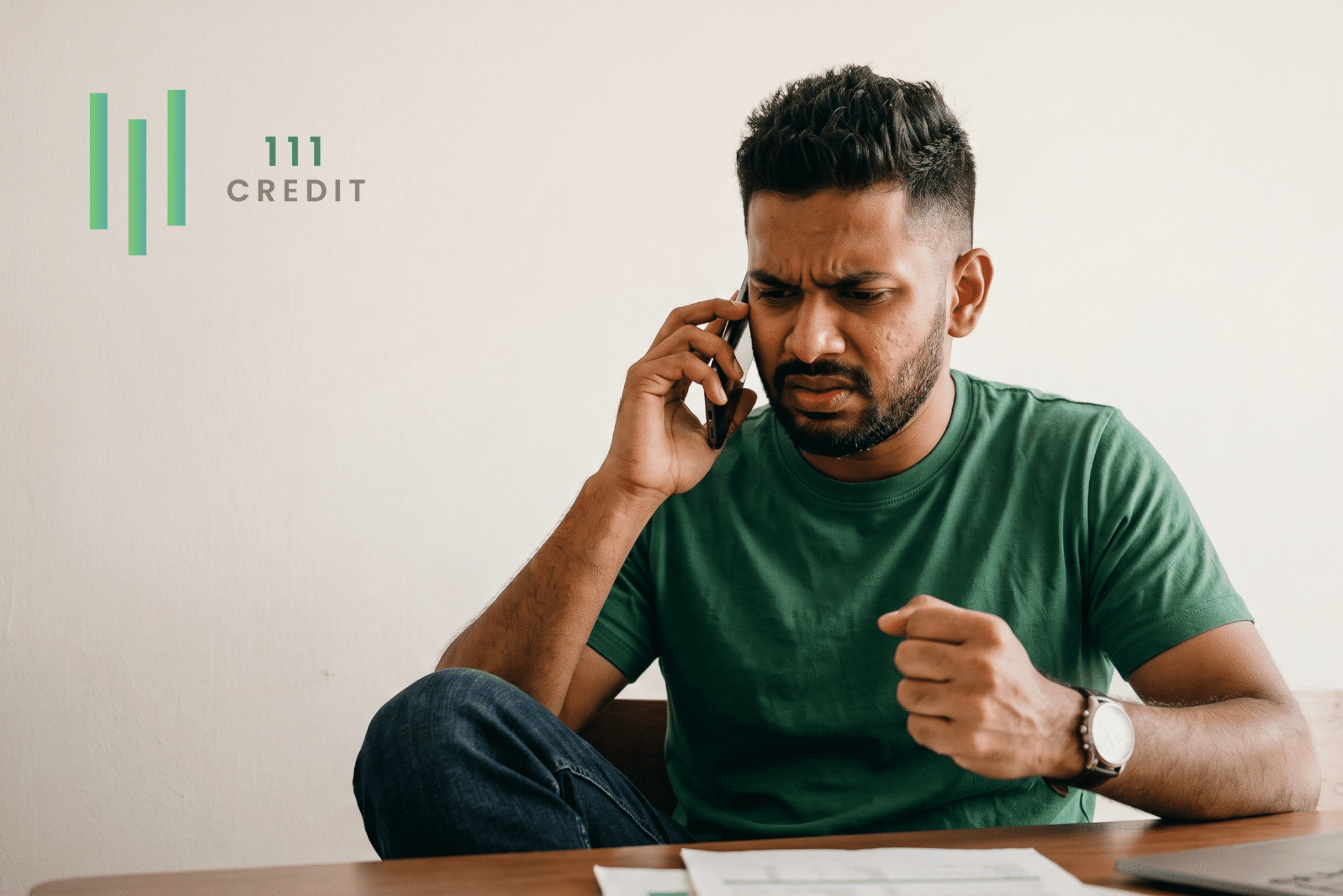
If you’re unable to pay a money lender in Singapore, you should contact your lender as soon as you realise you’ll miss a repayment, rather than ignoring calls or reminders.
Be honest about your situation, whether it’s due to reduced income, unexpected expenses, or another financial setback. Many licensed lenders are willing to discuss repayment options if they see you’re committed to repaying your loan.
Depending on your circumstances, your lender may be able to:
- Align your repayment date with your salary.
- Extend your loan tenure to lower each instalment.
- Temporarily pause repayments until you’re able to resume them.
#2 Check if the New Arrangement Works for You
Before accepting any revised repayment plan, double-check that it’s feasible by reviewing your monthly income, essential expenses, and existing financial commitments. A realistic repayment plan is more likely to help you stay on track.
#3 Ask for a New Written Agreement
If new repayment terms are agreed upon, request a written agreement outlining the updated repayment schedule, instalment amounts, and any revised loan terms. Once signed, make sure to follow the new repayment plan.
#4 Seek Professional Debt Assistance if You Need Additional Help
If you cannot reach a workable repayment arrangement with your lender or are struggling to manage multiple money lender loans, consider seeking help from Credit Counselling Singapore (CCS).
CCS works with the Credit Association of Singapore (CAS) to administer the Moneylender Debt Management Programme (MDMP), which may allow eligible borrowers to restructure their licensed money lender debts into affordable monthly repayments over a period of up to two years.
If your debts are limited to licensed money lenders in Singapore, CCS may also refer you to participating Social Service Agencies (SSAs), such as Adullam Life Counselling, Arise2Care Community Services, or Blessed Grace Social Services, for debt counselling and mediation.
Can a Money Lender File a Case in Court?
Being unable to pay a money lender may leave you wondering, “Can a money lender file a case in court?”
The answer is yes—if you default on your loan and the debt remains unresolved, a licensed money lender may take legal action in the civil courts to recover the outstanding amount. Once a court judgment has been obtained, the lender may enforce it through legal processes such as a Writ of Seizure and Sale or a Garnishee Order, where appropriate.
However, court action is usually a last resort after repeated missed payments or unsuccessful attempts to communicate with the borrower. Licensed lenders must follow Singapore’s legal process at every step of debt recovery and must not take matters into their own hands.
If you receive a Letter of Demand, court documents, or other formal legal notices, do not ignore them. Seek legal or financial advice promptly so that you can make an informed decision on your next steps.
I’m Unable to Pay My Money Lender. Can They Harass Me?
Absolutely not! If you’re unable to pay a money lender, a licensed money lender cannot harass, threaten, intimidate, or abuse you. Licensed lenders must comply with Singapore’s moneylending laws when recovering debts.
In some cases, licensed money lenders may engage licensed third-party debt collection agencies to assist with debt recovery. These agencies must also comply with the law and cannot use harassment, threats, or intimidation when contacting borrowers.
A debt collector may contact you or visit your home or workplace to discuss repayment, but they must do so professionally. They cannot use physical force, threaten violence, damage your property, put up posters or banners to shame you, or use abusive or vulgar language.
Illegal loan sharks, on the other hand, tend to charge excessive interest, threaten violence, damage property, or harass borrowers and their families. To avoid these risks, always verify that you’re dealing with a legal money lender by checking the lender’s licence status before committing to a loan.
If you experience harassment from a licensed money lender or debt collector, you should:
- Lodge a police report through the i-Witness portal immediately. Call 999 if you’re in immediate danger.
- Report the incident through the MinLaw portal or call 1800-2255-529 (standard mobile charges may apply).
Related read: When And How To Lodge A Complaint Against A Money Lender?
I’m Unable to Pay a Money Lender. Would a Debt Consolidation Loan Help?
If you’re unable to pay a money lender, a debt consolidation loan in Singapore may be worth considering.
A debt consolidation loan in Singapore combines multiple debts into a single loan with a single monthly payment, making your finances far easier to manage. In some cases, it may also reduce your monthly repayments or overall borrowing costs if the new loan offers a lower interest rate.
However, debt consolidation is by no means a guaranteed solution to resolving your repayment issues. You’ll still need to budget carefully and make repayments on time to avoid falling back into debt.
Tips to Avoid Future Late Payments
Once you’ve regained control of your repayments, adopting good financial habits can reduce the risk of future missed payments.
Borrow Only What You Can Repay
Only take a loan that fits comfortably within your monthly budget. Borrowing more than you genuinely need increases repayment pressure.
Understand All Loan Terms
Read your loan agreement carefully before signing it.
Make sure you understand:
- The monthly interest rate
- Any late payment charges
- Repayment schedule
- The total repayment amount
If anything is unclear, ask your lender for clarification before accepting the loan.
Set Repayment Reminders
Setting simple reminders for yourself can make a significant difference.
Consider:
- Adding repayment dates to your calendar.
- Setting recurring phone reminders.
- Scheduling automatic payments to your lender.
These small habits can help prevent accidental missed payments.
Speak Up Before You Miss a Payment
If you know you’ll have difficulty making an upcoming repayment, don’t wait until it’s overdue.
Contact your lender early to let them know about your financial situation. Early communication often offers more room for negotiation.
Related read: How Much Can I Really Borrow From A Licensed Money Lender?
Conclusion

Finding yourself unable to pay a money lender can be difficult, but knowing where to turn can make all the difference. Whether you need to discuss your repayment concerns or are exploring a suitable loan option, working with a licensed money lender ensures you receive clear information and support throughout the process.
111 Credit is a trusted licensed money lender in Singapore that prioritises transparency, responsible lending, and customer support. Our team is committed to helping borrowers understand their options and find a financing solution that suits their circumstances.
Ready for the next step? Contact us today to speak with our team about your options or apply now to kickstart your borrowing journey!